
Mallika Mathur
Apr 10, 2026
From gender equality to supply chain resilience, International Women's Day reminds us that sustainability starts with people
International Women's Day 2026 offers an important opportunity to reflect on one of the most overlooked dimensions of resilience: people.
While organizations increasingly invest in climate strategies, supply chain resilience and sustainable finance, the social dimension of ESG often remains underrepresented. Yet people, skills and inclusion are essential components of long-term business performance.
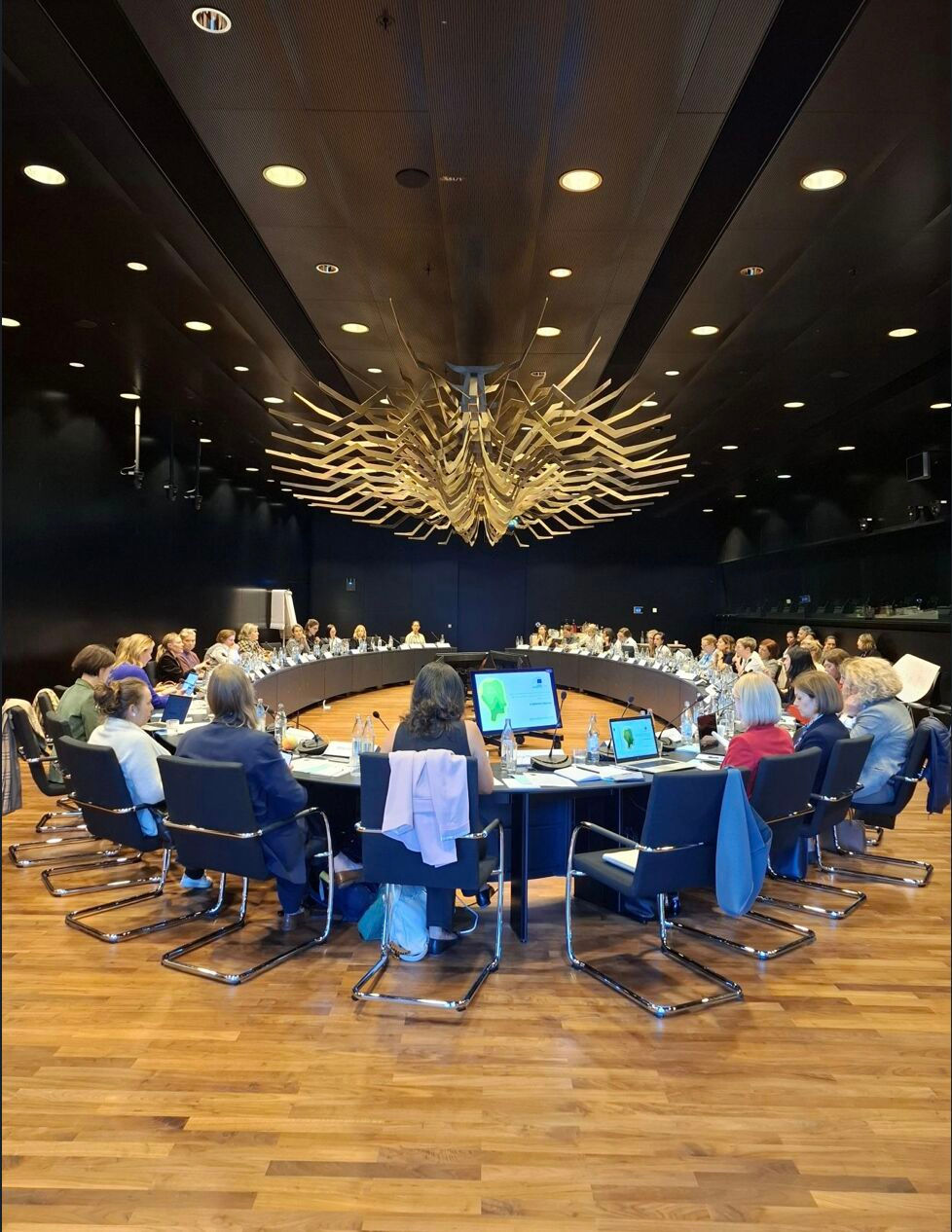
Earlier this year, Koaloo-Fi participated in discussions with the European Investment Bank Women Climate Leaders Network, bringing together leaders from across Europe to explore how technology, finance and innovation can accelerate climate resilience and economic competitiveness.
Several important themes emerged.
Sustainability Requires Inclusion
The transition to a more resilient economy cannot succeed without greater inclusion throughout value chains.
Today, many organizations have developed ambitious internal diversity strategies. However, these commitments often stop at the company boundary.
Suppliers, contractors and smaller businesses rarely benefit from the same level of attention, despite representing a significant share of the workforce and value creation ecosystem.
As companies increasingly examine their environmental footprint, social indicators throughout supply chains are becoming equally important.
From Internal Policies to Value Chain Impact
Research continues to show that many organizations face challenges regarding pay equity, representation and inclusion.
At the same time, up to 90% of sustainability impacts often occur within value chains.
This creates an important question:
How can organizations promote social responsibility if their supplier ecosystems remain invisible?
Future resilience will require stronger collaboration between procurement, sustainability and human resources teams.
Values must extend beyond company walls.
Transparency Is Becoming Essential
New regulations, including the Corporate Sustainability Reporting Directive and Pay Transparency requirements, are accelerating the demand for reliable social data.
Organizations increasingly need better visibility into both environmental and social indicators across their operations and supplier networks.
Transparency helps organizations move beyond symbolic commitments and focus on measurable progress.
Data enables better decisions.
Building More Resilient Ecosystems
Discussions within the European Investment Bank Women Climate Leaders Network highlighted several priorities:
Greater value chain inclusion.
Stronger collaboration between public and private sectors.
More accessible financing for sustainable transformation.
Technology solutions that support adoption at scale.
Resilience, competitiveness and sustainability are increasingly interconnected.
No single company can build a resilient economy alone.
Creating stronger, more inclusive ecosystems benefits businesses, suppliers, communities and society as a whole.
Looking Forward
International Women's Day reminds us that resilience is not only about technology, finance or regulation.
It is also about people.
Building sustainable and resilient supply chains requires transparency, collaboration and shared value across entire ecosystems.
Because long-term resilience depends on ensuring that everyone can participate in the transition.
Contact Us
Learn how koaloo-fi.com helps organizations build more resilient, inclusive and sustainable supply chains.